
What is a Buddhist Eco-Chaplain?

The emerging field of eco-chaplaincy can be defined in myriad ways. Towards the end of the Eco-Chaplaincy Training at the Sati Center for Buddhist Studies, each student was asked to answer the question, “What is a Buddhist eco-chaplain?” in their own words. Here are some of their answers:
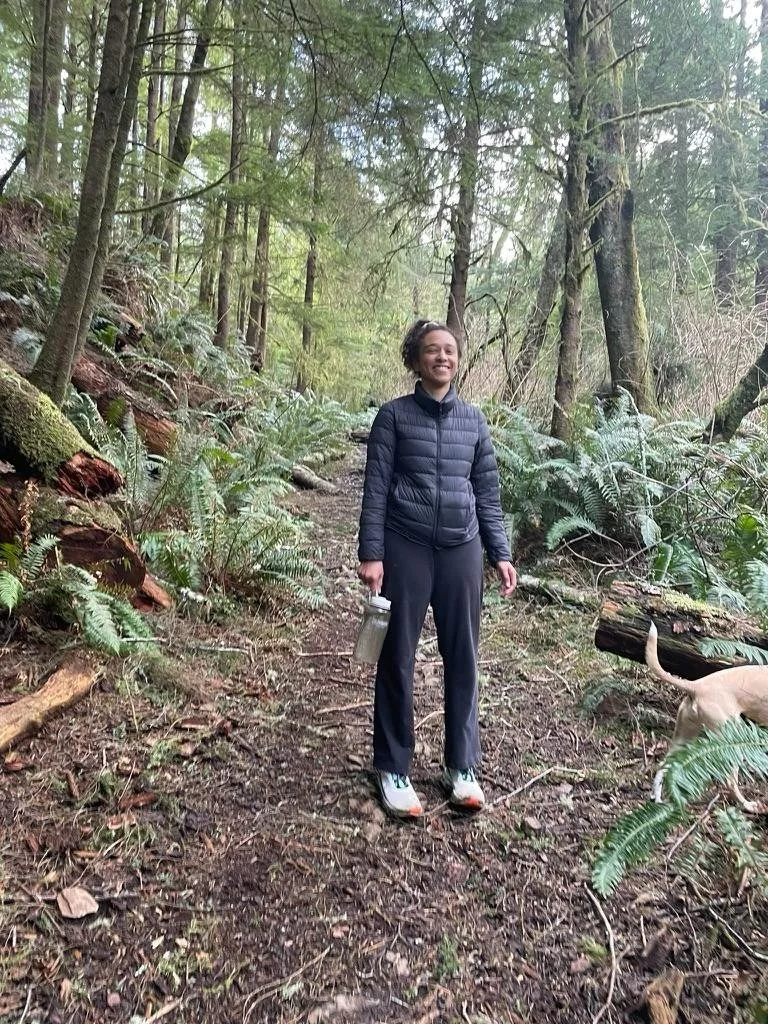
Nikayla Jefferson
Rooted in the traditions of Buddhism, we practice.
Reverence and gratitude for all life. Mindfulness and meditation. Compassion, equanimity, lovingkindness, and joy. Nonviolence in thoughts, words, and deeds. An appropriate response to suffering. Trust in the great mystery. Remembrance of our interbeing.
We offer ourselves. To ourselves, to each other, to the more-than-human, and to the Earth.
As care. As support. As a spiritual friend. As deep, nonjudgmental listening. As a compassionate, healing presence. As a reminder of one’s inherent, inner resilience. As a dignified time and place to belong. As ritual keepers at the threshold. As a conduit for reciprocal connection with the living Earth. As midwives for the birth of this beginning, as doulas for the death of this end.
All life is interconnected. All life is sacred. All life is impermanent. Living these truths, there is no greater one.
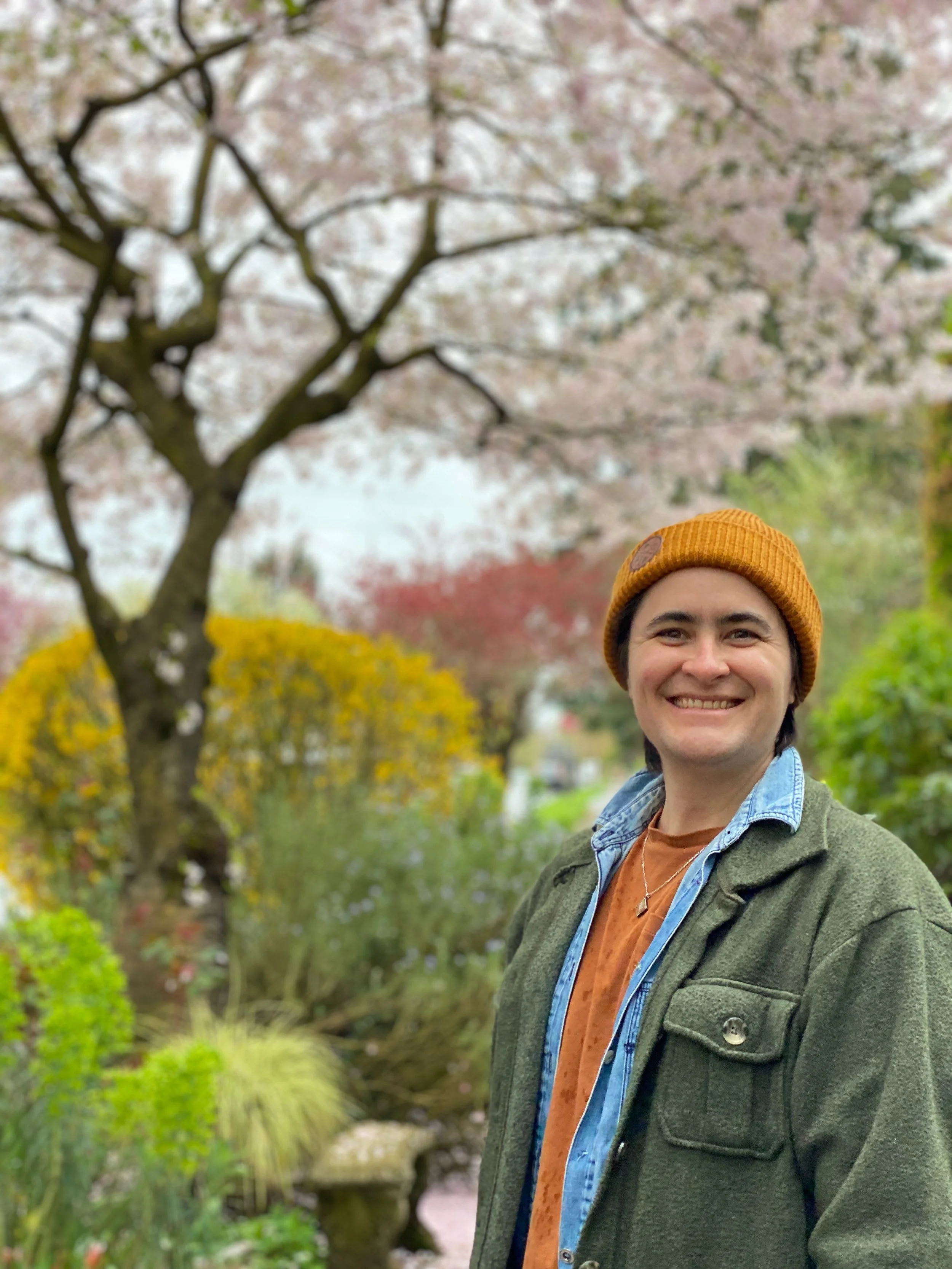
Reed Garber-Pearson
Eco-chaplains bring spiritual care to others in transition, loss or difficult emotions and experiences. We support others in deepening and healing their relationships to themselves, each other, and the more-than-human world by offering compassionate presence, ritual and mindfulness. We also lean into the joy of interbeing, belonging and connection by listening deeply to and collaborating with the more-than-human world, and we bring support and opportunities for others to remember our connections to all life.
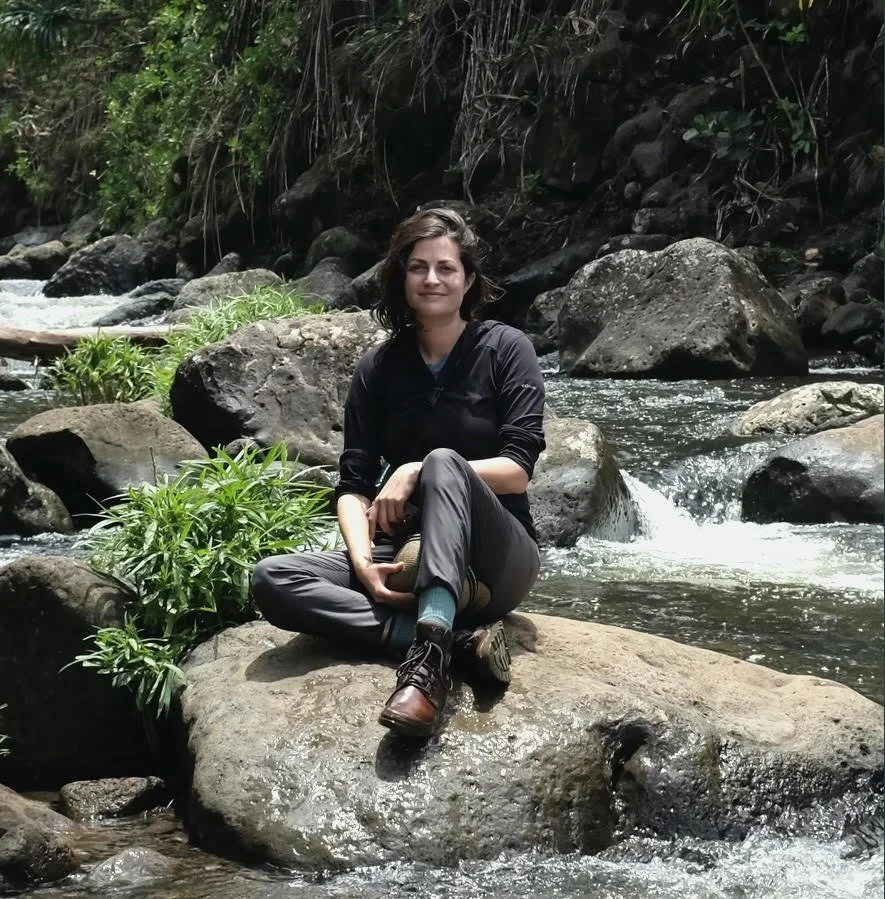
Shani Jayant
An eco-chaplain, spiritually interconnected with the land and all beings, cultivates a temple of the heart for people to safely and bravely navigate a path amongst the ecological suffering of our times.
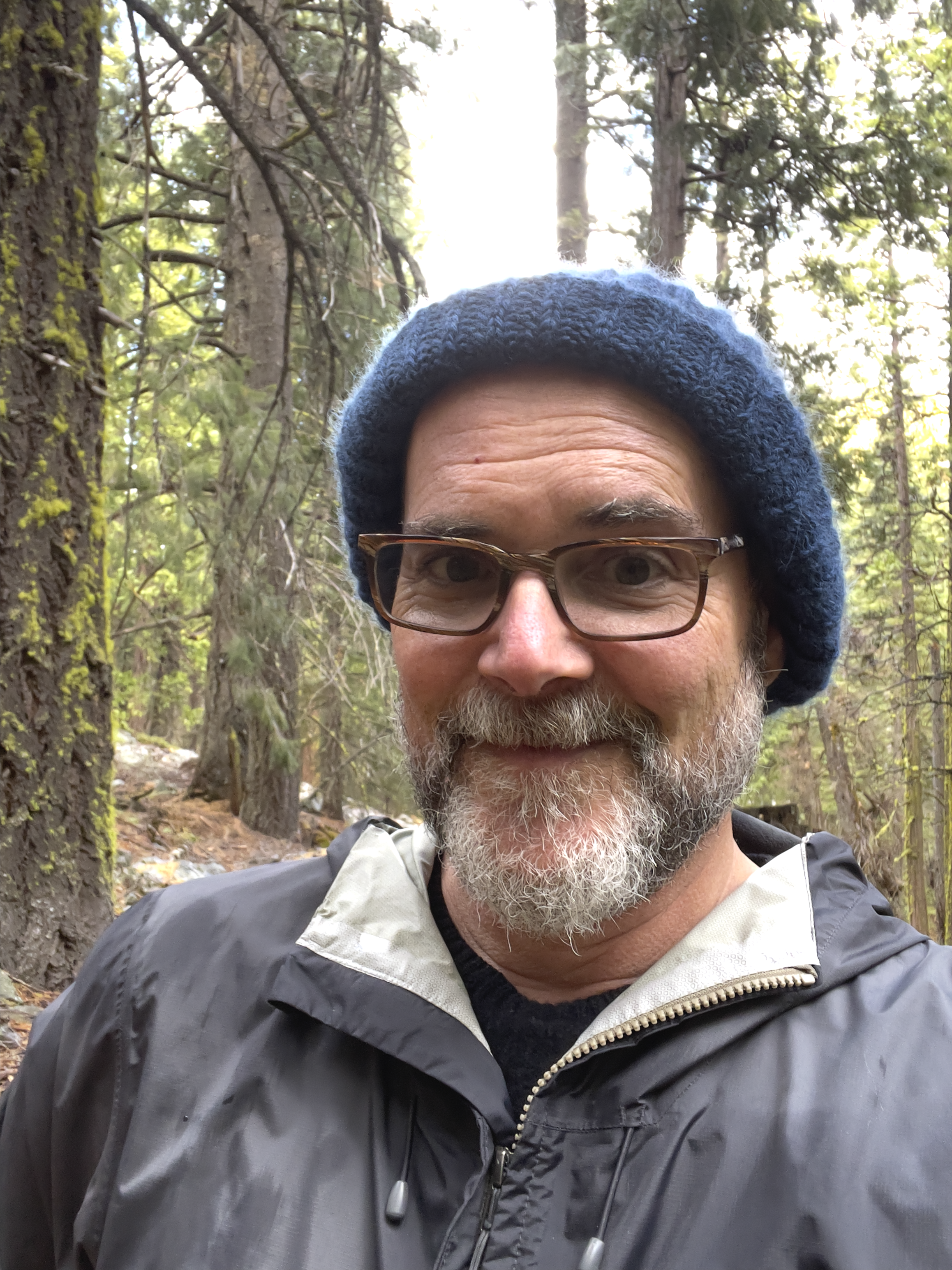
Craig Rosa
An eco-chaplain is someone who brings spiritual care to those struggling with challenging emotions like climate grief and eco-anxiety, and helps people find healing and resilience by connecting with nature.
We often serve by creating a space for 1-1 compassionate listening, but we can facilitate important conversations, do workshops or advise organizations, bring ceremony and ritual when appropriate, and help celebrate wins or moments of joy when they arise.
We also support people, groups, communities and ecosystems that are impacted directly by climate change - such as those facing environmental or natural disasters, loss of livelihood, or ways of life. And many people apply what they’ve learned to their professional or creative work.
Although eco-chaplains can come from many religious or spiritual traditions - or a secular origin, my chaplaincy practice comes from a Buddhist root. That said, as chaplains we offer our service in an interfaith capacity, or non-religious capacity, or secular capacity as needed. We meet people where they are.
Diane Bloch
A confluence of many currents:
An awareness of life’s 10,000 joys and sorrows,
An understanding that all living organisms and elements of Earth’s ecosystem are interconnected and interdependent,
A desire to provide caring presence for others amidst the inherent suffering of life and particular suffering of this time of profound ecological change.
Our practice includes:
Deepening our capacity to be with things as they are, to hold our grieving hearts, as well as our hopes and vision for the future
Drawing upon our (often forgotten or neglected) connection with the larger than human world
Inviting ritual through which that connection can emerge, nourish and guide us
Reconnecting with what is most meaningful to us
Listening deeply to what is most meaningful to others
Honoring all that has brought us to where we are now–our traumas and loss, our resilience and courage.
Building trust in ourselves.
Building trust, community, interconnection with others through deep listening and honest sharing, as well as through ritual, music, play, co-creation.
Dakota Ashley Limón
A Buddhist eco-chaplain is a practitioner of spiritual care rooted in Buddhist practice who supports people navigating climate change, ecological loss, and profound existential questions of our time. Drawing on teachings of interdependence, impermanence, and compassion, they offer steady presence and reflective companionship for those moving through eco-grief and climate anxiety.
At its heart, this is a form of liminal care: tending to individuals and communities in periods of uncertainty, transition, and destabilization. Beyond activism or therapy alone, an eco-chaplain attends to the spiritual and relational dimensions of environmental crisis, including the cultural patterns of disconnections and denial that shape our response to it. Their work supports the restoration of relationships with the more-than-human world and cultivates resilience, ethical belonging, and meaningful ways of living within a changing earth.
Shin Yi Tsai
BEC draws upon millennia-old wisdom teachings to meet the contemporary challenges of climate change. Chaplains are trained in offering spiritual counseling, nature-based rituals and contemplative practices to help people cultivate a more intimate and meaningful relationship with themselves and Nature. The sacred space that chaplains facilitate supports people in remembering that they are an intrinsic part of Nature and deserve to be met with care, respect and compassion. Any experiences of awe, gratitude, purpose and belonging fuel a collective vision that is devoted to the welfare of all beings and the Earth.
Paru Desai
Buddhist Eco-Chaplains provide spiritual care to people experiencing challenges that are exacerbated by climate and ecological distress. A foundation in Buddhist principles and practices such as mindfulness and mediation, compassion, and justice combined with profound understanding of our interdependence with the natural world support Buddhist eco-chaplains in offering their caregiving. They work with individuals one-on-one or in groups and often integrate nature-based ceremonies and rituals and contemplative practices from different faith and Indigenous communities.
Sri Juvvadi
Buddhist Eco-Chaplain serves all beings (human and non-human) with open-hearted presence and care respecting the inter-dependency of all elements of nature.
The offerings encompass
mindful presence with deep listening,
rituals that connects with nature
acts to reduce suffering based on Buddhist teachings that includes compassion and non-harming
Debra Kerr
What is a Buddhist Eco-Chaplain?
Someone who is guided by the teachings of the Buddha as they provide spiritual care to beings, related to the joys and sorrows of living enmeshed in this beautiful and critically endangered natural world.
They may be:
Vessels to contain grief
Re-connectors to nature and the elements
Midwives of the Great Turning
Points of stability in chaos
Transformers of despair
Menders of the Net of Belonging
Cushioners for tender beings who are suffering
Space-givers for those working to bring positive change
Melissa Bailey
Buddhist eco-chaplains help people deepen and expand senses of sacredness in how they relate to self, other, and the natural world. We accompany others as they make meaning out of their daily lives and their place in the cosmos. We listen with compassion and equanimity. We hold space for others, and their stories, to help them find their own "appropriate response" to the suffering of the world.
Gagan Leekha
Buddhist eco-chaplaincy is an emerging field responding to these times of profound environmental and social injustice. It reflects a growing awareness that our care, compassion, attention, and resourcing must extend beyond the human community to include the wider web of life.
Buddhist eco-chaplains draw on Buddhist teachings and practices such as deep listening, ritual, and collaboration with the more-than-human world to support individuals and communities as they navigate ecological and other systemic trauma or stress. Through a spacious and caring presence, they help cultivate insight, healing, and a renewed remembrance of our interconnectedness with all beings.
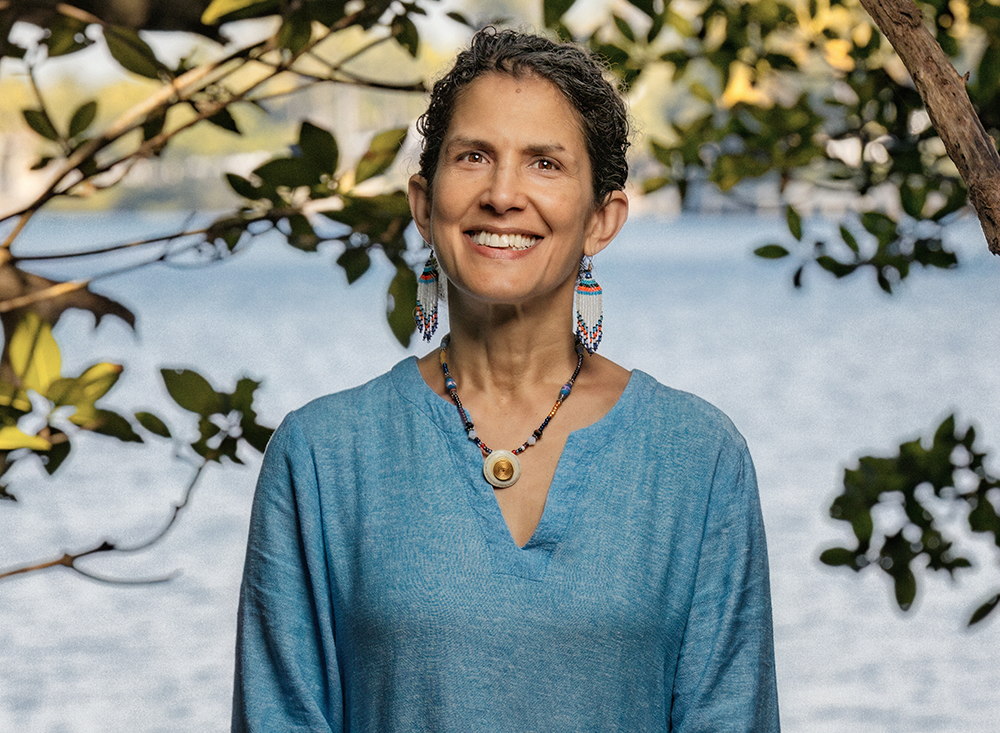
Marga Laube
Buddhist Eco-Chaplaincy is an expression of the natural Care that reveals itself as a result of Buddhist practice. A BEC is a Kalyana Mitta – a spiritual friend. Through the awareness of Interbeing, and through recognizing the sentience of the Earth and all her beings, BECs serve to restore wholeness and connection throughout Earth’s ecosystem.
Some of the BEC’s approaches include: listening deeply and with equanimity; dignifying the care seeker; reviving connection with the sacred; providing connection with Earth through ritual; supporting others in their direct efforts toward ecosystem repair; encouraging holistic storytelling; assisting care seekers in finding meaning where it has eroded; and modeling the ennobling practices which end suffering.
In closing, eco-chaplains Debra Kerr and Nikayla Jefferson offered a poem to sum up what it means to be an eco-chaplain:
Empty friendly space
Quite completely fills itself
And yet—still empty!
