
What is Buddhist Eco-Chaplaincy?
Buddhist Eco-Chaplaincy is a new field emerging from and grounded in millenia-old lineages of wisdom teachings and ways of living in sacred reciprocity with the more-than-human world. It is an interweaving of deep listening, rituals to reconnect humans to themselves, each other and nature, and action to protect the web of life.
Buddhist eco-chaplains provide a compassionate, nonjudgmental presence to support individuals and groups as they navigate personal, communal, and planetary challenges. They help foster a deeper relationship with the natural world, strengthen resilience in difficult times, and cultivate a sense of purpose and meaning.

What do Buddhist
Eco-Chaplains do?

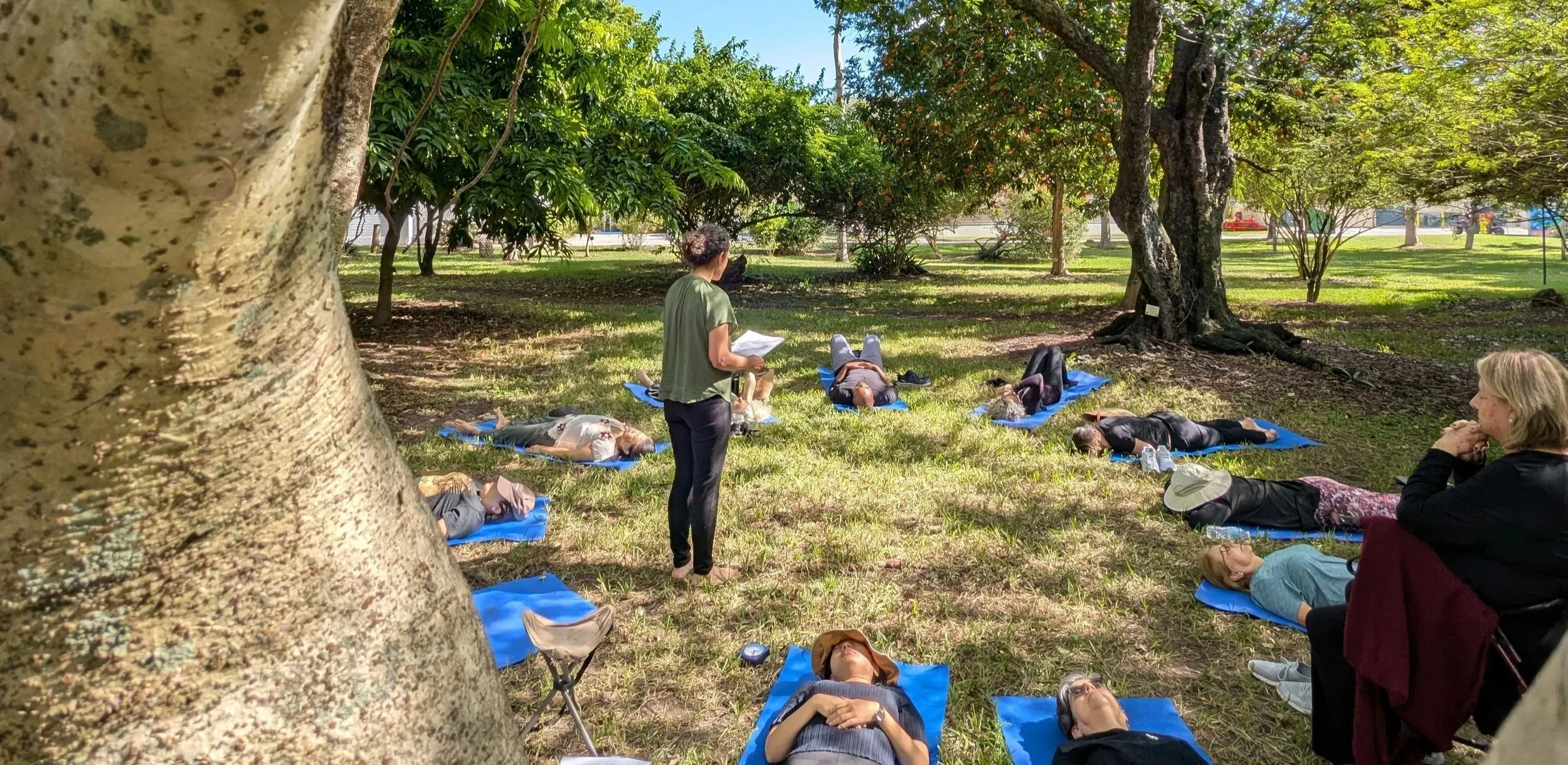
We hold space for climate and Earth-based emotions
We support people of all spiritual and religious backgrounds in naming, processing, and making meaning of the emotional impacts of ecological loss—including climate change, biodiversity decline, and environmental disruption. We offer a compassionate presence for grief, anxiety, and overwhelm; a refuge for difficult emotions; and a reminder of each person’s inherent belonging within the living world.
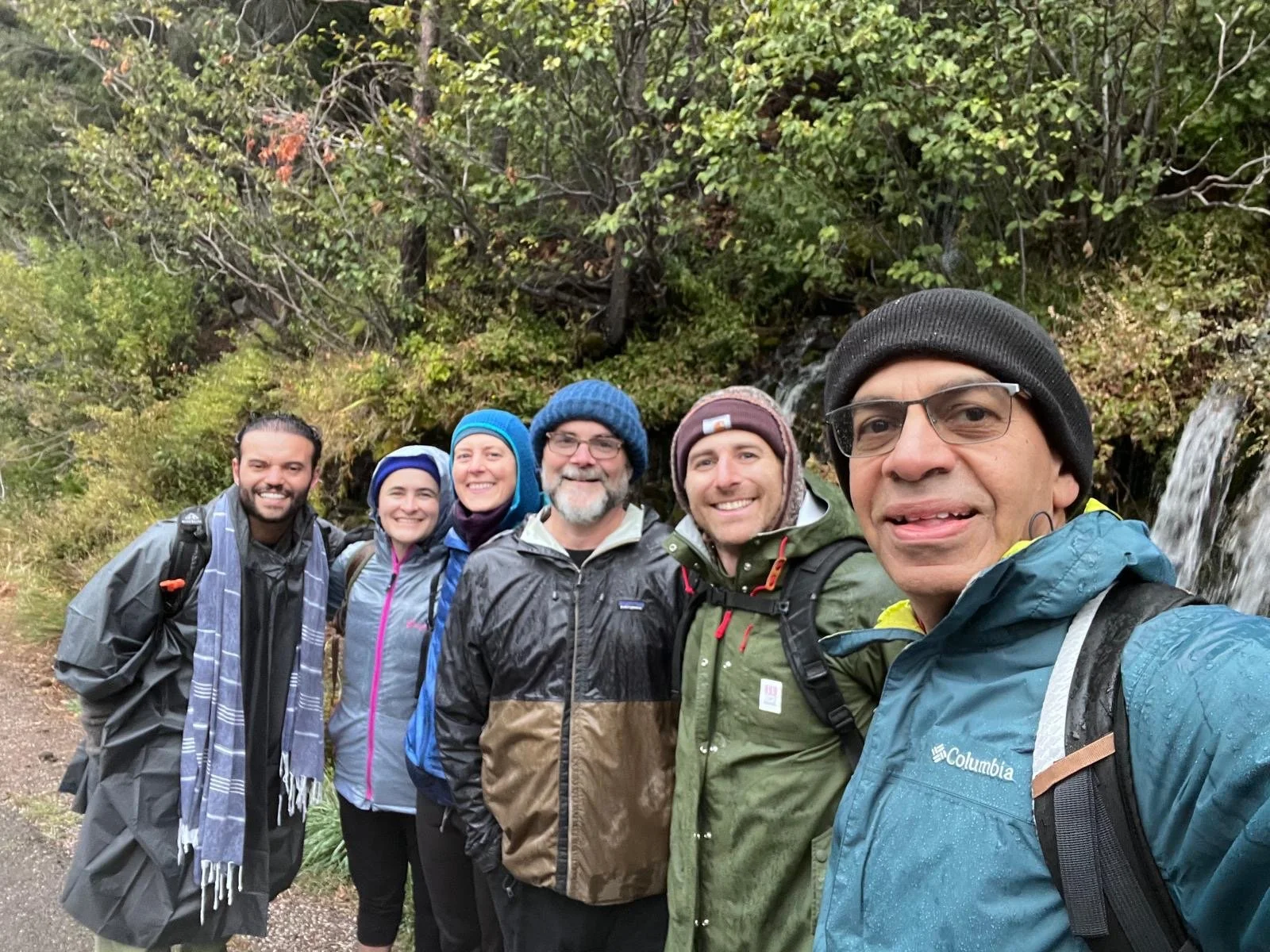

We cultivate deeper connections with the living world
We support individuals and groups in awakening a more intimate, embodied sense of relationship with the Earth and all beings. Through contemplative and nature-based practice, we attune to the elements, seasonal cycles, and changing rhythms of the natural world.
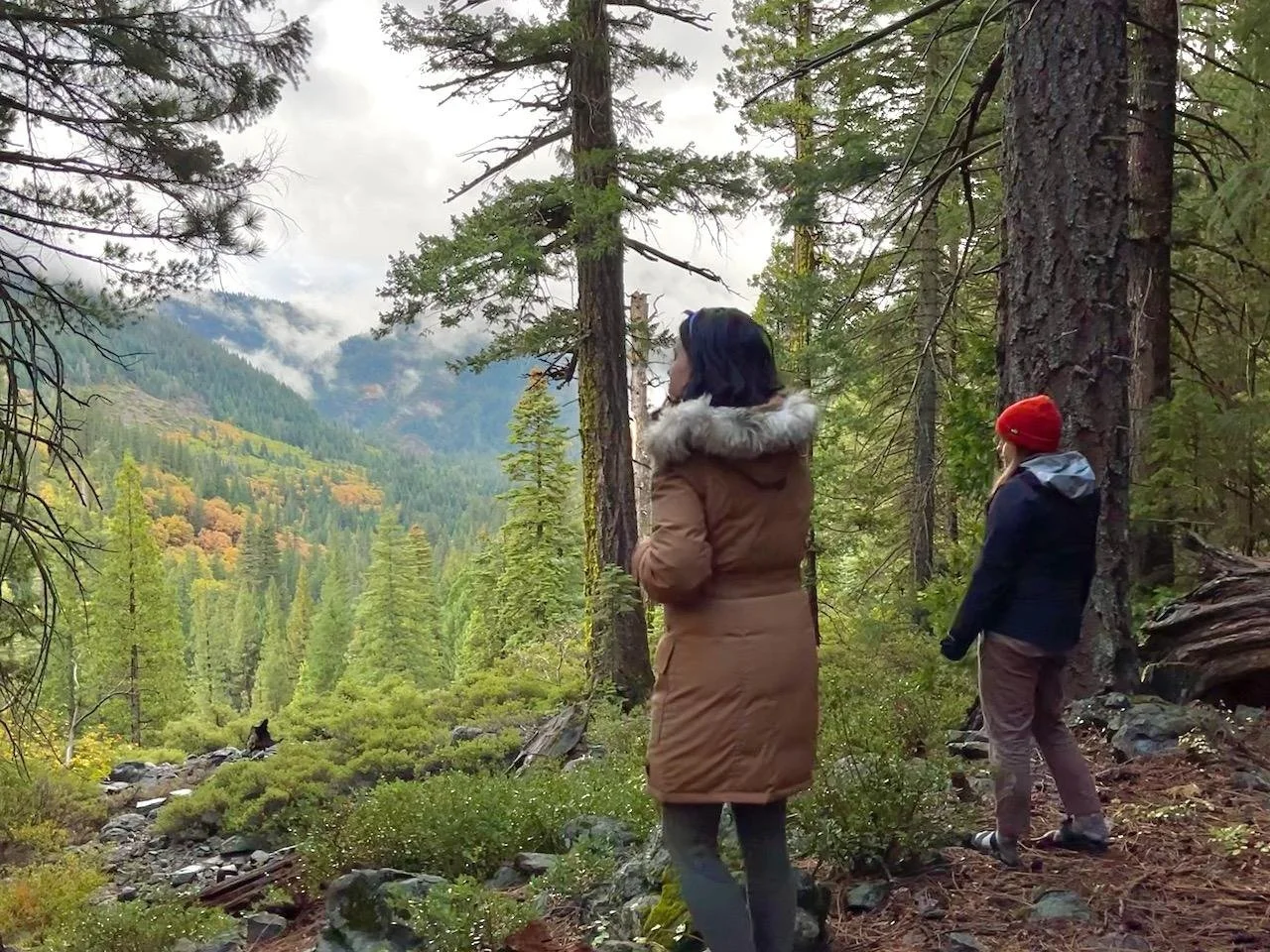

We support resilience and agency
We support people in reconnecting with their innate capacity for resilience, clarity, and wise response in the midst of challenge and change. As this inner strength is cultivated, it naturally extends outward—strengthening the resilience of families, communities, and wider social and ecological systems.
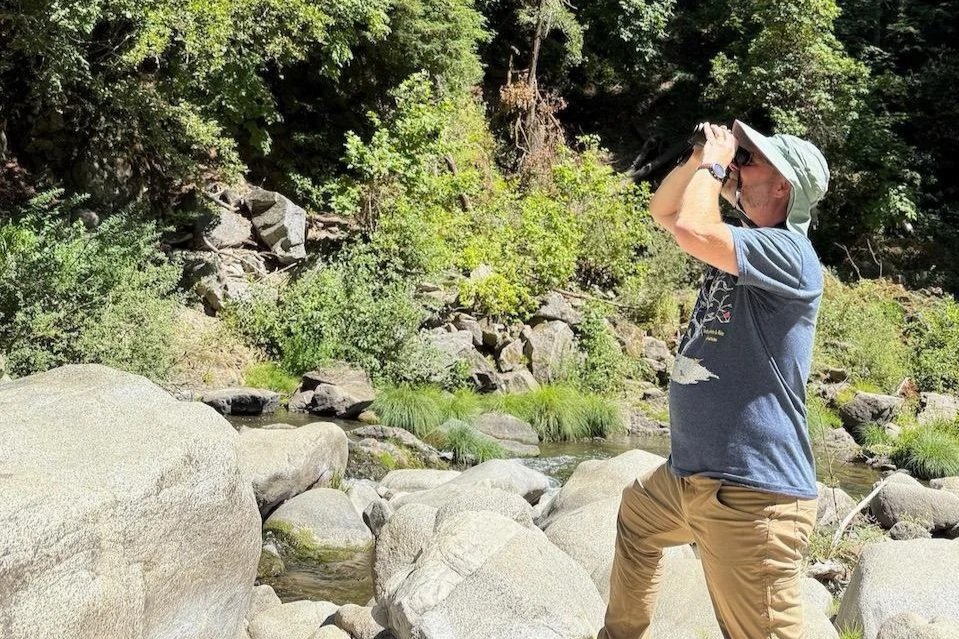

We create rituals and ceremonies
We design and facilitate rituals and ceremonial gatherings that help people meet life’s thresholds with presence and care. These may include spaces to mourn loss, honor ecological and personal grief, celebrate life, and mark important transitions. Through shared ritual, we support communities in remembering meaning, belonging, and continuity within the living world.

We show up in times of need
When invited, we offer a grounded and compassionate presence—virtually or on the ground—for individuals and communities affected by ecological or climate-related disaster. We support spaces of care, listening, and collective tending in the aftermath of disruption, helping people orient within loss, uncertainty, and the slow work of recovery.


We work across context and settings
We serve in a range of environments, including environmental organizations, government agencies, schools, and social movements. In these spaces—often marked by burnout, grief, overwhelm, and despair—we offer practices and support that help sustain emotional well-being, deepen collective resilience, and reconnect people with meaning and purpose in their work.
A history of Buddhist Eco-Chaplaincy
Chaplaincy has its roots in Christianity, dating back to the 4th century France, described then as “people of faith performing religious duties in a secular situation, creating chapels of refuge in the heart of the world.”
In more recent times, the practice of chaplaincy has evolved toward interfaith spiritual care. Today, chaplains have been trained in their chosen faith tradition, but serve all with compassion.
In “Towards a Definition of Buddhist Chaplaincy,” Jennifer Block defined spiritual support from a Buddhist perspective as:






Willingness to bear witness
Willingness to help others discover their own truth
Willingness to sit and listen to stories that have meaning and value
Helping another to face life directly
Welcoming paradox & ambiguity into care—and trusting that these will emerge into some degree of awakening
Creating opportunities for the people to awaken to their True Nature
The term eco-chaplaincy was coined by Sarah Vekasi, a student and practitioner of Joanna Macy’s Work that Reconnects. She described and defined the work of an eco-chaplain in the early 2000s as a form of secular and inter-religious spiritual support for social and environmental justice activists and other individuals and communities experiencing grief, despair, and confusion in the wake of environmental and social injustices.
Over the last two decades eco-chaplaincy training, offerings, and initiatives have formed at the Upaya Zen Center, The Chaplaincy Institute, Hartford University, The BTS Center, and BECA’s home program, the Sati Center for Buddhist Studies.