Seasonal Thresholds: From Wood to Fire
By Dakota Limón
In the past year, I have found myself living between two worlds, using both the Western calendar and the traditional Chinese solar calendar to navigate my days. I was called to this dual practice out of a deep desire to participate more intimately in the unfolding of time. As an eco-chaplain, I wanted to move away from treating seasonality as a linear abstraction—something I suddenly notice when the weather changes—and toward a living, day-to-day participatory relationship. The micro-seasonal progression of the solar calendar, in particular, has helped me attend more carefully to the subtle transformations unfolding each week, both in the natural world and in my body as an extension of it.
In the Western system, seasons are organized around stark astronomical turning points, and summer does not officially begin until the solstice. But in the traditional Chinese solar calendar, the year is traced through 24 solar terms or micro-seasons, each lasting roughly fifteen days. These nodes track the continuous unfolding of qi, the vital life force moving through the living world. Grounded in careful attention to ecological, agricultural, and bodily changes, this calendar doesn't wait for equinox portals to switch a season on. Instead, it asks: What exactly is the world doing right now, and how does it feel? Which flowers are blooming, which birds have arrived, how does the light linger differently each morning? While solstices mark the midpoint of seasonal transformation, these micro-seasons attend to the first subtle movements toward it. Consequently, spring begins in early February, and summer arrives in early May. At the time of my writing this, summer has already begun.
Summer begins with Lì Xià (the Start of Summer). Yet, in many places, it does not yet feel like full summer. The mornings are considerably cool, and the local fruit is still hardening on the branch. There is something profoundly instructive in this gap between the calendar's declaration and the body's experience of it. Transitions are rarely dramatic or linear; they are slow and emergent—already underway before we can conceptually grasp them. In the five-element system, this specific threshold marks the rising passage from Wood to Fire.
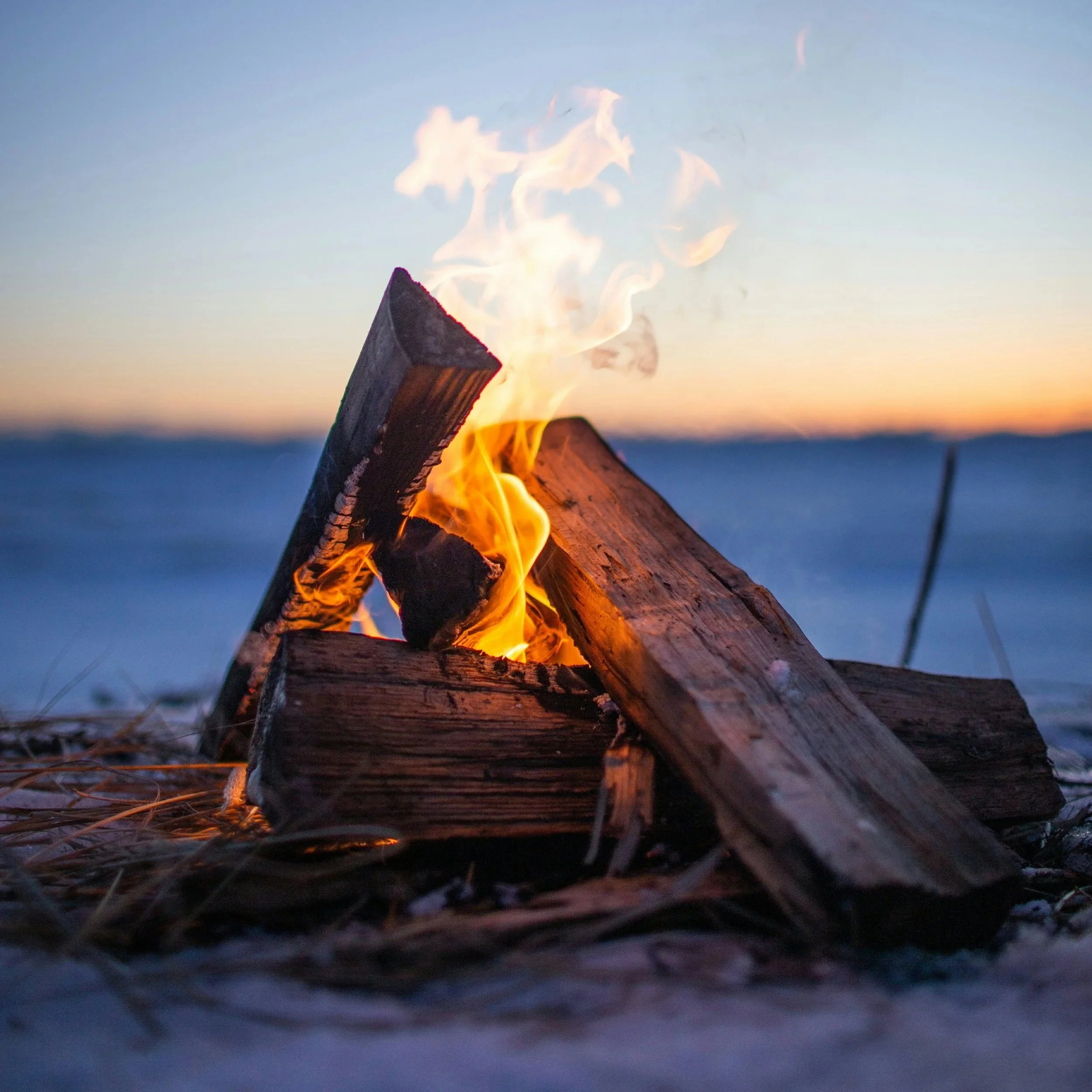
Photo by Benjamin DeYoung on Unsplash
Wood: What Spring Has Built
Wood is the element of spring, constituted by upward movement, new growth, vision, and the insistent vitality of life reaching toward light. In the body, wood governs the liver and gallbladder, organs associated with planning, direction, and the capacity to imagine a future and move steadily toward it.
In communities, much like the work we do through BECA (Buddhist Eco-chaplaincy Association), wood energy appears as organizing, brainstorming, and dreaming the fresh momentum of new beginnings. After the long contraction of winter, we naturally gravitate toward renewed commitments, connection, creative projects, and future possibilities. It is simply wood’s nature to grow.
Yet every element eventually gives way. This is part of the balancing wisdom within the five-element system: every phase carries both a gift and a limit. Too much wood can result in relentless striving, rigidity, or the inability to rest long enough for growth to naturally flower. The shoot that pushes upward eventually needs to bloom.
Fire: The Element of Expression
Fire is what wood becomes when it finally completes its elemental arc. Where wood is vertical, reaching, and directed, fire is radiant, relational, and expansive—movement that has found its fullness and now pours outward.
Fire governs the heart and what is called shen: the spirit that animates our bodies and makes genuine encounter between ourselves and the world possible. Shen is warmth, intimacy, and embodied joy. It is the quality of presence that we feel before we can name it—the sense of being genuinely met by others.
This is especially important for those of us who work in chaplaincy and related fields, where our primary offering is the quality of presence itself. Shen cannot be manufactured through a learned posture of care; it arises when we ourselves are genuinely warm and our qi is flowing with balance and ease.
Fire's emotion is joy—not the frictionless happiness of a life without difficulty, but a deeper gladness, equanimity, or basic friendliness that coexists with grief and uncertainty. For eco-chaplains, this distinction matters enormously. Joy is not a retreat from the pain of the world, but the refusal to let the heart harden or disengage. The heart also governs the "emperor" function in classical Chinese medicine: the integrating center that holds all other systems in coherent relationship. A chaplain working from a grounded heart becomes a kind of coherence field, helping scattered or grieving communities find their center again.
Tending the Hearth
Those of us within the realm of eco-chaplaincy know the wood phase intimately. We are often called to hold containers for grief—the grief of ecosystems lost, of futures foreclosed, of the particular ache of caring deeply in a time of profound ecological unraveling. We organize, vision, and build structures. It is sacred work that draws heavily on wood’s gifts: direction, endurance, and the capacity to keep reaching.
But fire and summer ask for something different. They ask for warmth cultivated from within so that we may connect with our communities. They ask us to carry joy alongside our grief as a sincere sign of life still moving through us. The world right now does not need more people performing care from a depleted place. It needs people who have tended their own hearth, who have let themselves be thoroughly nourished, so that what they bring to community is alive.
Fire without wood burns without direction; wood without fire never flowers into its final form. The wisdom of the season is that we need both. Summer feels, finally, like a full exhale.
The Mirror of the Plum Tree
To understand this elemental rhythm, I have to look no further than the edge of my garden patio. There stands a magnificent plum tree, nourished to its fullness by the recent Northern California rains. Right now, it is laden with fruit, its branches bowing significantly under the weight of hundreds of small, pale-purple plums—not quite ripe, but well on their way.
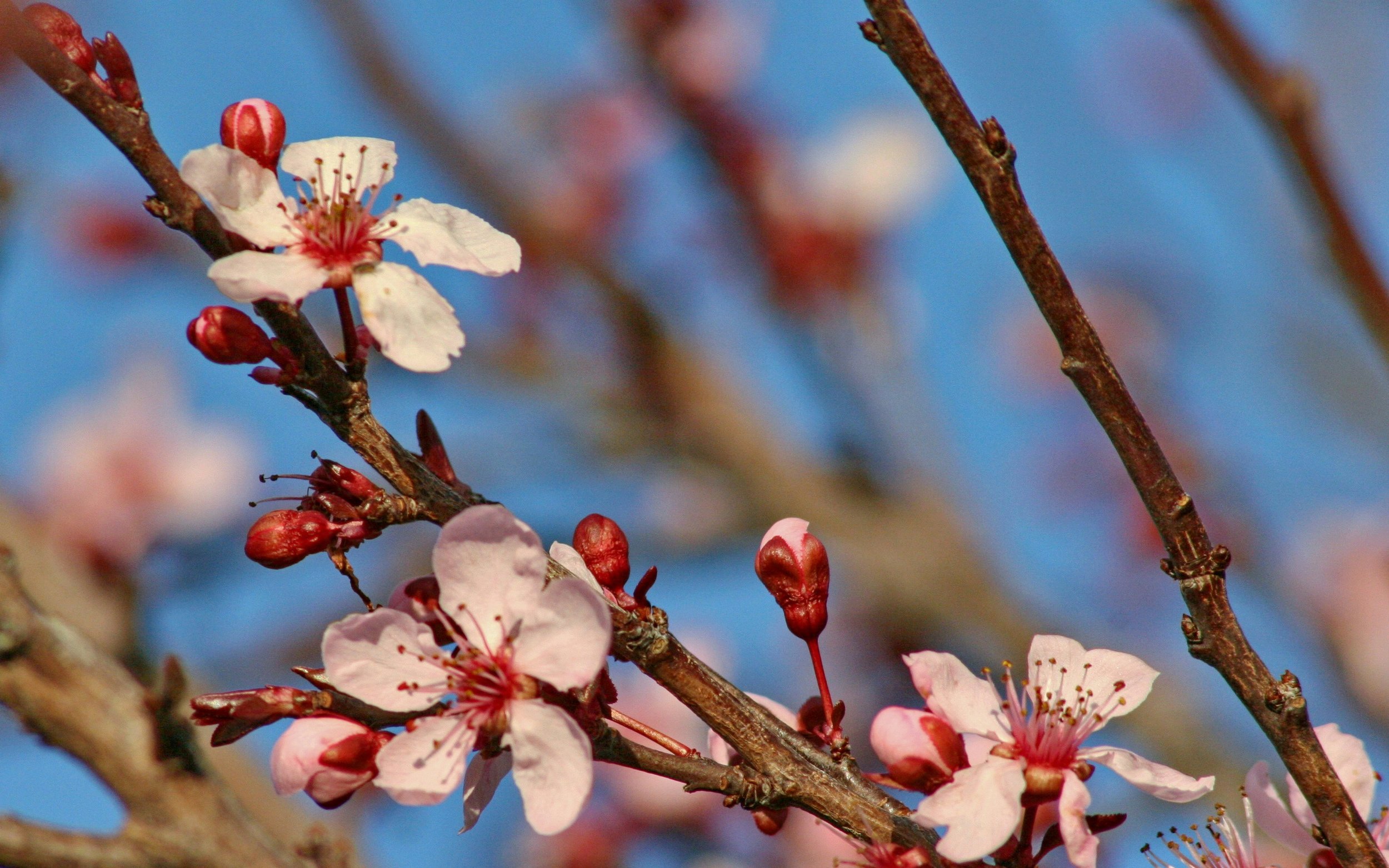
Photo by Cory Curtis on Unsplash
Half the tree spills into my backyard; the other half reaches over the neighborhood walking path, its ripening abundance extending an invitation to curious visitors, human and non-human alike. The anticipation of the ready fruit has been threading the community together for weeks. Nothing has been harvested yet, and nothing is fully ready. And yet, the voluminous tree has already done something remarkable: it has matured as it is, doing what is its nature to do—gathering itself and others toward its ripening.
All through spring, the tree directed its vitality inward toward the slow formation of its fruit (Wood), which in summer tips outward into generosity, relationship, and sharing (Fire). The tree has not yet fully ripened, and still, it has already done its work. Simply by becoming what it is, it has woven a small commons among us.
Collectively, this threshold asks what kind of warmth our communities are hungry for—and whether we have allowed ourselves to receive enough of it to have something genuine to offer. As summer deepens, I find myself wondering:
What in you is ready to come into fuller expression? What warmth have you been quietly gathering all spring that your community—and you yourself—may be hungry for? What does each week of summer feel like to you, and how can that information inform your healing, wellness, and lived expression?
This season invites you, too, to ripen.